Step-By-Step Guide
Tempe DUI Guide
From Arrest to Case Resolution
Complete overview of the Tempe DUI process under Arizona law. Learn what to expect at each stage, critical deadlines, and how to protect your rights.
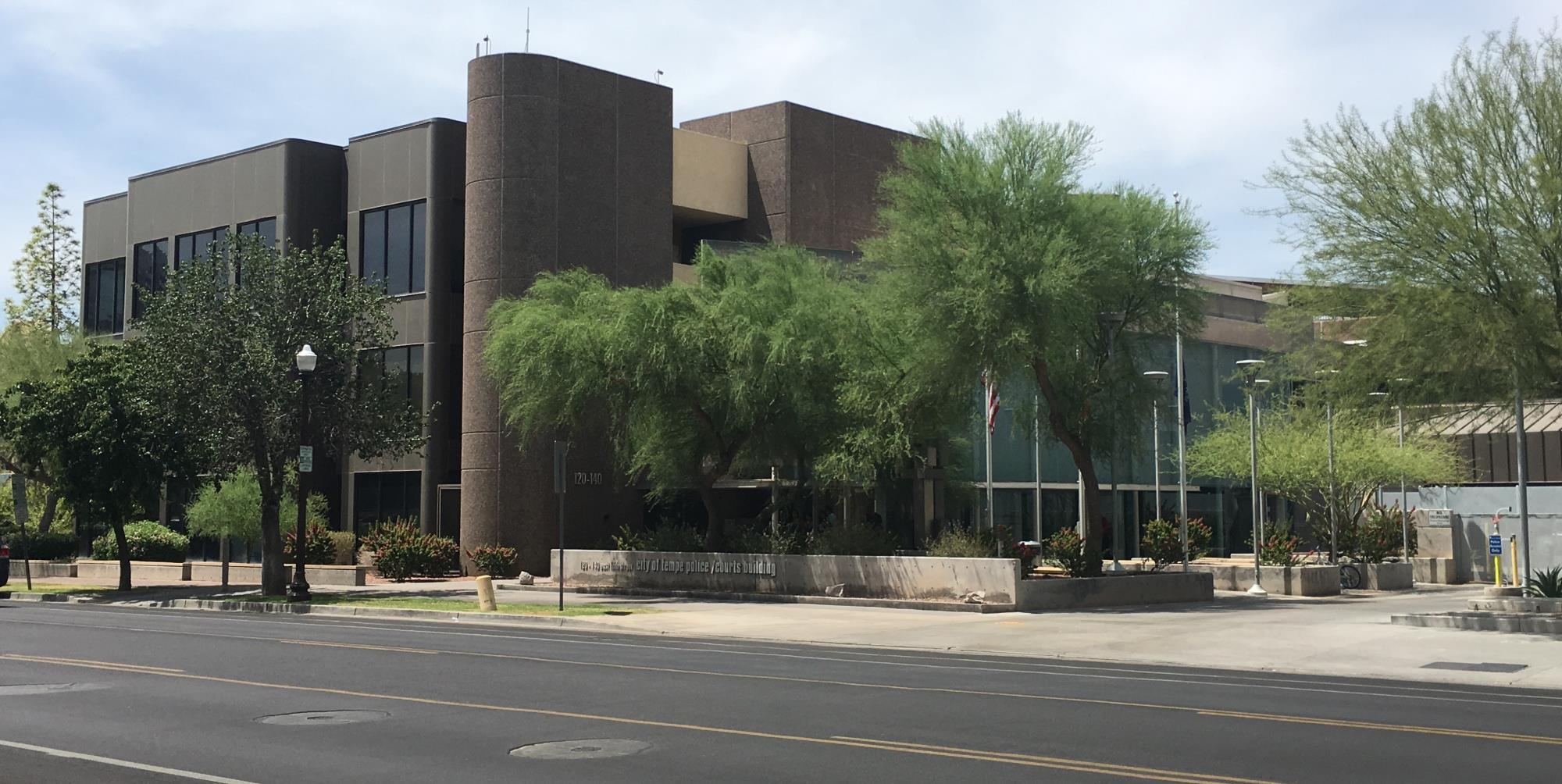
Complete overview of the Tempe DUI process under Arizona law. Learn what to expect at each stage, critical deadlines, and how to protect your rights.
When arrested for DUI in Tempe, understanding the legal process is critical. This guide walks you through all six stages of a Tempe DUI case under Arizona Revised Statutes § 28-1381 through § 28-1383, from the initial traffic stop through final sentencing. Each stage has specific procedures, deadlines, and strategic opportunities to protect your rights and build a strong defense.
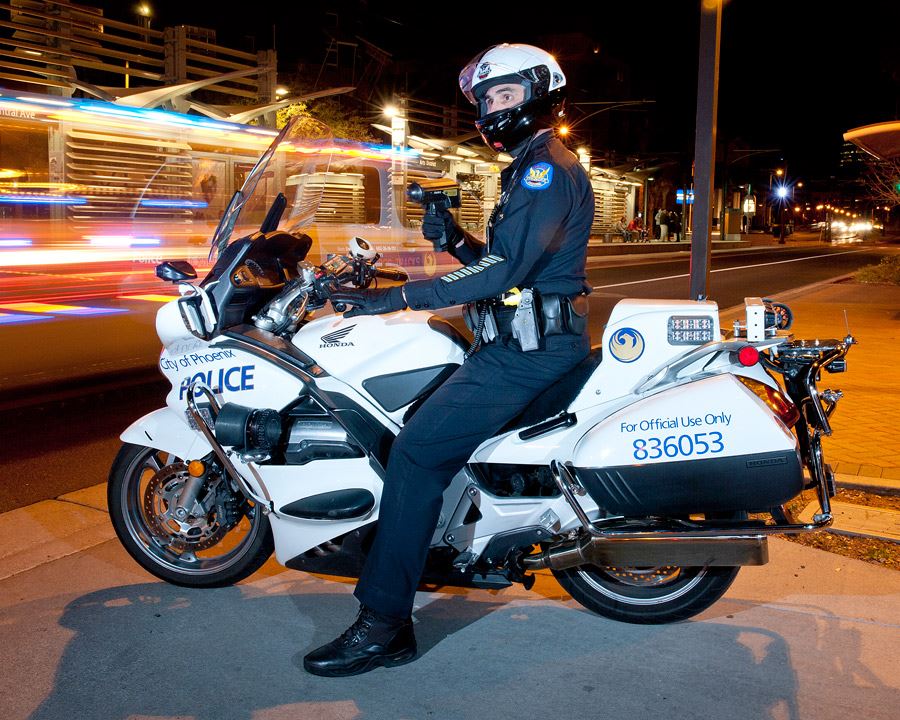
A Tempe DUI case begins when a police officer observes you driving and initiates a traffic stop. Tempe Police Department officers are trained to identify signs of impairment such as weaving, lane violations, or speeding. Once pulled over, the officer will approach your vehicle and request your driver's license, vehicle registration, and proof of insurance. This is a critical moment: you have the right to remain silent and the right to decline a vehicle search without a warrant.
If the officer suspects impairment, they may ask you to perform standardized field sobriety tests (FSTs). These tests—including the Horizontal Gaze Nystagmus (HGN), Walk-and-Turn, and One-Leg Stand tests—are voluntary. Under Arizona law, you can decline these tests without legal penalty, though the officer may use your refusal as grounds for probable cause to arrest. Many drivers don't realize these roadside tests are notoriously unreliable and can be challenged in court.
Following FSTs, the officer may request a preliminary breath test (PBT) at roadside. This test is also voluntary and separate from the chemical test that comes later. Declining a PBT has no legal consequences, and because PBTs are less accurate than lab tests, refusal is often tactically wise. After accumulating sufficient evidence of impairment, the officer will likely place you under arrest and inform you of your Miranda rights.
Under Arizona's "implied consent" law (A.R.S. § 28-1321), by holding a driver's license, you have impliedly consented to chemical testing (breath or blood) if arrested for DUI. However, you still have the right to refuse these tests, though refusal triggers automatic license suspension and is admissible in court. The decision to refuse or submit must be made quickly, often under stress, which is why early legal consultation is invaluable.
Learn about defense strategies for traffic stops and DUI arrests →

After arrest, you will be transported to the Tempe Police Department for booking. During this process, your personal information is recorded, your vehicle is inventoried and impounded, and you will undergo chemical testing (breath or blood) to determine your Blood Alcohol Content (BAC). This is also when you are photographed and fingerprinted. You have the right to contact an attorney at any time during this process, and you should exercise this right immediately.
The officer will inform you of the implied consent advisory, which explains your rights and the consequences of refusing chemical testing. If you consent to testing and the results show a BAC of 0.08% or higher, you will be charged with DUI under A.R.S. § 28-1381. If your BAC is 0.15% or higher, you face charges of Extreme DUI under A.R.S. § 28-1382. If your BAC is 0.20% or higher, you face Super Extreme DUI charges under A.R.S. § 28-1383. These distinctions carry dramatically different penalties, so understanding your BAC result is essential.
After booking is complete, you will be held until an initial appearance before a judge at Tempe Municipal Court, typically within 24 hours. During this appearance, the judge will inform you of the charges, your rights, and bail eligibility. Bail decisions depend on factors such as your prior criminal history, ties to the community, and the severity of the charges. First-time DUI offenders in Tempe are often released on their own recognizance (OR release) without posting bail, though bail amounts can range from $2,500 to $10,000 for standard DUI cases. More serious charges (Extreme DUI, Super Extreme DUI, Aggravated DUI) may result in higher bail or denial of release.
Regarding your vehicle: Arizona law allows police to impound vehicles involved in DUI arrests. Your vehicle will be towed to a storage facility and held for 30 days (longer if you refuse to pay storage fees). You can retrieve your vehicle by paying towing and storage fees, typically $300–$500. If your vehicle is impounded, this is an additional cost beyond legal penalties, so retrieving it promptly is important.
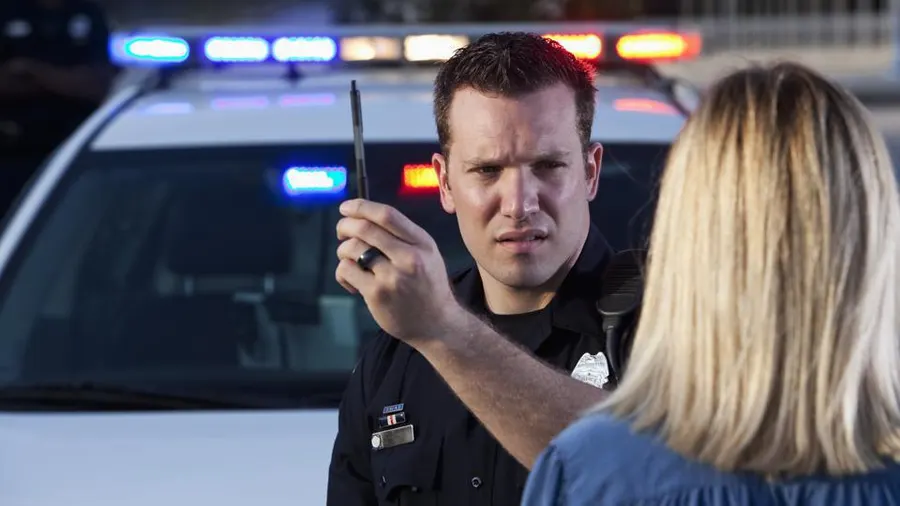
One of the most time-sensitive aspects of a Tempe DUI case is protecting your driver's license. Arizona's Motor Vehicle Division (MVD) operates independently from criminal court and can suspend your license based solely on an arrest, regardless of the outcome of your criminal case. This is called the Administrative Per Se (APS) suspension, governed by A.R.S. § 28-1385. Under current law — as amended by Senate Bill 1453 (SB 1453), passed during the 56th Legislature, 2nd Regular Session (2024) — the suspension takes effect 30 days after the officer serves you with the Admin Per Se / Implied Consent Affidavit, unless a timely hearing request is received by ADOT.
This 30-day deadline is absolutely critical. Per A.R.S. § 28-1385(b)–(c), you may submit a written or online request for a hearing or summary review, and that request must be received by the department within thirty days after the date of the notice, or the order of suspension becomes final. SB 1453 also aligned the officer's reporting deadline to ADOT to 30 days. For a first-time standard DUI arrest (BAC 0.08–0.14%), the suspension period is 90 days. For Extreme DUI (BAC 0.15–0.19%), the suspension is one year. For Super Extreme DUI (BAC 0.20% or higher), the suspension is also one year. If you have prior DUI convictions within seven years, the suspension periods are significantly longer—up to three years or more.
During the MVD administrative hearing, you can challenge the suspension by arguing that the officer lacked probable cause to stop your vehicle, that the chemical test was improperly administered, that your Miranda rights were violated, or that the test equipment was defective. Even if you ultimately lose the MVD hearing, obtaining a restricted license (also called a "hardship license") is often possible. Arizona allows restricted licenses for work, medical appointments, and DUI education classes—essential for maintaining employment during the suspension period.
To obtain a restricted license in Tempe, you must first complete an approved DUI education course (typically 16 hours for first-time offenders) and pay a $350 reinstatement fee to the MVD. You will also be required to have an ignition interlock device (IID) installed in your vehicle. An IID measures your breath alcohol content before the vehicle will start and periodically while driving. The cost is typically $75–$150 for installation plus $70–$100 monthly maintenance fees. For Extreme DUI and Super Extreme DUI arrests, IID installation is mandatory regardless of license suspension outcomes.
See full breakdown of license suspension costs and IID requirements →
Your first appearance is your IA (Initial Appearance) or arraignment, typically scheduled 5–10 days after your initial appearance. Tempe Municipal Court is located at 140 E. 5th Street, Tempe, AZ 85281. At the arraignment, you are formally advised of the charges against you and informed of your constitutional rights. The prosecution will provide a criminal complaint detailing the allegations, and the judge will explain potential penalties. This is also when you enter a plea: guilty, not guilty, or nolo contendere (no contest).
For DUI cases in Tempe, entering a plea of "Not Guilty" at arraignment is strategically advantageous in most situations. A Not Guilty plea preserves your right to discovery (receiving evidence from the prosecution), allows your attorney to file motions challenging evidence, and keeps all options open for negotiation or trial. Many defendants feel pressured to plead guilty at arraignment, but doing so waives these critical rights and eliminates any chance of negotiating a favorable outcome.
If you plead guilty at arraignment, you will typically be sentenced that same day, and the judge will impose penalties immediately. If you plead not guilty, the case moves to the pretrial stage, where negotiations and evidence challenges occur. Your attorney can request continuances to allow time for legal research, expert consultation, and prosecution negotiations. Pro Per (self-represented) appearances are allowed, but Tempe judges strongly discourage them in DUI cases due to the technical and legal complexities involved.
At arraignment, you will also need to bring government-issued photo identification. The judge may ask questions about your understanding of the charges and your rights. If you have a public defender, they will speak on your behalf and advise you on the best plea strategy. If you retain private counsel, your attorney will likely have reviewed the police report and evidence before arraignment and will have developed a strategic approach specific to your case facts.

The pretrial stage is where your DUI defense is actually built. After entering a Not Guilty plea at arraignment, your attorney will file discovery requests demanding that the prosecution provide all evidence: the police report, officer dashcam and bodycam footage, breath test results and calibration records, blood test results and chain-of-custody documentation, field sobriety test video, and any statements you made. This discovery is essential for identifying weaknesses in the prosecution's case.
During pretrial discovery analysis, your attorney will scrutinize whether the Tempe police officer had legal justification to stop your vehicle (a foundation requirement for DUI prosecution). Was your driving actually erratic, or was the stop based on a minor traffic violation like a broken taillight? Many stops are pretextual—the officer observed the traffic infraction to justify a DUI investigation. If the stop lacks probable cause, a motion to suppress evidence can result in dismissal of all charges. Additionally, your attorney will examine whether the officer properly advised you of your Miranda rights, properly conducted field sobriety tests, and properly administered chemical testing in compliance with Arizona administrative code requirements.
Breath test equipment must be regularly calibrated and maintained to produce reliable results. Arizona requires specific calibration procedures, and any deviation can render results inadmissible. Similarly, blood tests must follow strict chain-of-custody protocols. If the blood sample was improperly stored, tested incorrectly, or handled by unqualified personnel, the results can be challenged. These technical defenses often require expert witnesses—forensic toxicologists, breath test technicians, or chemical testing experts—who can testify about testing procedures and equipment reliability.
During pretrial, your attorney will also communicate with the Tempe city prosecutor to negotiate possible resolution. The prosecutor may be willing to reduce a standard DUI charge to a "wet reckless" (a reckless driving charge with alcohol involvement, carrying lesser penalties), to negotiate penalty amounts, or even to dismiss charges if evidence is weak. The prosecutor's willingness to negotiate often depends on the strength of their case and your attorney's persuasiveness in pointing out problems. Multiple pretrial conferences may be scheduled, with your case potentially continuing for months while negotiations progress.
If negotiations reach an impasse and trial is necessary, your attorney will file pretrial motions challenging questionable evidence. A motion in limine may exclude statements you made without proper Miranda warnings. A Daubert motion may exclude unreliable expert testimony from the prosecution. A motion to suppress may exclude evidence obtained from an illegal stop or improper chemical testing procedure. These motions are fought in court hearings before a judge, separate from the final trial, and can significantly impact the case's outcome.
Learn defense strategies and evidence challenges available in Tempe DUI cases →

If your case proceeds to trial in Tempe Municipal Court, you have the right to a jury trial (six jurors in Tempe municipal court). During trial, the prosecution must prove every element of the DUI charge beyond a reasonable doubt. The burden of proof is entirely on the state, and you have the right to remain silent and compel the prosecution to prove their case. The state will present evidence: the arresting officer's testimony, breath or blood test results, field sobriety test observations, and any other incriminating evidence. Your attorney can cross-examine all prosecution witnesses, highlighting inconsistencies, procedural errors, and unreliable testing methods.
Your defense strategy at trial depends on the specific facts of your case. Your attorney may argue that the traffic stop was unconstitutional, that field sobriety tests were administered improperly, that your BAC was miscalculated, or that other evidence was obtained in violation of your rights. If you were not impaired despite testing results, your attorney can present that narrative while cross-examining the prosecution's witnesses. Some defendants choose to testify in their own defense (a tactical decision made with counsel), while others rest on the prosecution's burden of proof without testifying.
Alternatively, if a negotiated resolution is reached during pretrial, a plea agreement may be finalized. A plea agreement typically involves pleading guilty or no contest to a reduced charge in exchange for lighter penalties. For example, you might plead to a "wet reckless" instead of DUI, avoiding the mandatory license suspension and significantly reducing fines and jail time. Or you might plead guilty to standard DUI while the prosecutor agrees to recommend reduced sentencing (no jail time, lower fines). These negotiations occur between your attorney and the prosecutor and require your approval before finalization.
If you go to trial and the jury finds you guilty, or if you enter a guilty plea, sentencing occurs. The judge will consider factors such as your prior criminal history, BAC level, any accident or injuries caused, and your community ties. Sentencing ranges vary significantly by charge level: standard DUI carries up to 6 months jail and $250.00 plus surcharges in fines; Extreme DUI carries up to 6 months jail and $250.00 plus surcharges in fines with mandatory ignition interlock; Super Extreme DUI carries up to 6 months jail and $2,750+ in fines with mandatory interlock. Felony charges (Aggravated DUI) involve prior DUI convictions and carry much harsher penalties, including mandatory prison time (minimum 4 months).
Beyond fines and jail, sentencing may also include mandatory DUI education classes (16–40 hours depending on offense level), community restitution, probation (typically 3–5 years), mandatory ignition interlock installation, substance abuse counseling, and victim impact panels. License suspension also continues or begins upon conviction, with durations determined by charge level and prior history. Understanding the full scope of potential sentences is crucial, which is why pretrial negotiation is often the most realistic path to minimizing consequences.
It's important to be realistic: Arizona law sharply limits a prosecutor's ability to dismiss or drop a DUI, and standard DUI charges are generally excluded from the diversion and deferred-prosecution programs available for many other misdemeanors. For most DUI cases, the path to a better outcome is not dismissal through diversion — it's mitigation combined with skilled plea negotiation.
Mitigation is the work you do to show the court who you are beyond the arrest: completing alcohol screening, education, and treatment early (often through AES), gathering character and impact letters, and demonstrating accountability before sentencing. Walking into negotiations already enrolled or finished sends a powerful message and often earns a better offer.
Where the evidence supports it, that better offer can mean a reduction to a lesser charge such as reckless driving (a "wet reckless"), reduced penalties, or the lightest sentence within the applicable range — outcomes that can protect your education, career, and future. Tempe Municipal Court is generally considered receptive to defendants, especially ASU students and young adults, who take genuine, proactive steps toward responsibility.
What's realistic depends on the strength of the State's case, the charge level, and your record. Start early — read the full mitigation guide and have your attorney assess your options during pretrial negotiations.
Not all defendants are innocent—sometimes the evidence is overwhelming. When the facts don't support a strong defense, the best strategy often shifts to mitigation: acknowledging responsibility while working aggressively to minimize consequences. This is called "confession and avoidance," and it can produce better outcomes than fighting a losing battle at trial.
Proactive mitigation starts immediately, even before the court orders it. Smart defendants take action to demonstrate genuine accountability: starting alcohol screening and treatment before the court mandates it, getting an ignition interlock device installed early, enrolling in DUI education classes ahead of sentencing, gathering character references from employers and community members, and building a portfolio showing positive life decisions. Courts respond to this evidence of responsibility.
Tempe's municipal court is receptive to defendants who show genuine accountability and a commitment to change. Judges in Tempe have discretion in sentencing, and a strong mitigation package can result in significant benefits: reduced charges (pleading to a lesser offense), minimum mandatory sentences instead of maximums, waived jail time in favor of home detention or electronic monitoring, credit for proactive compliance that reduces probation length, and restoration of certain rights sooner.
This approach isn't about avoiding responsibility—it's about getting the best possible outcome for YOUR specific situation. Working with an attorney who understands Tempe's court culture and has relationships with local prosecutors and judges is essential to effectively presenting your mitigation case and securing a resolution that protects your future.
Arizona DUI penalties vary significantly based on BAC level and prior convictions. Below is a breakdown of first-time offense penalties under Arizona law.
Understanding each stage of the DUI process is critical to protecting your rights and minimizing consequences. The 30-day MVD hearing deadline (A.R.S. § 28-1385, as amended by SB 1453), evidence challenges during pretrial, and strategic negotiations can mean the difference between harsh penalties and a favorable resolution.
Get Free ConsultationPleading forms. Motion bank. Court-by-court calendars. Interlock, alcohol screening & treatment, home arrest, and SR-22 insurance. All free, all in one place at DUIINFO.net.
Open the DUIINFO portal →DUIINFO.net is the public-facing knowledge hub for the DUI Defense Resource Network — alongside arizonaduiprocess.com, Roth Law, and Alternative Education Solutions (AES).